Posts

Showing posts with the label engineered beams Boston

Why Do Foundations Sink and How Are They Repaired
Image
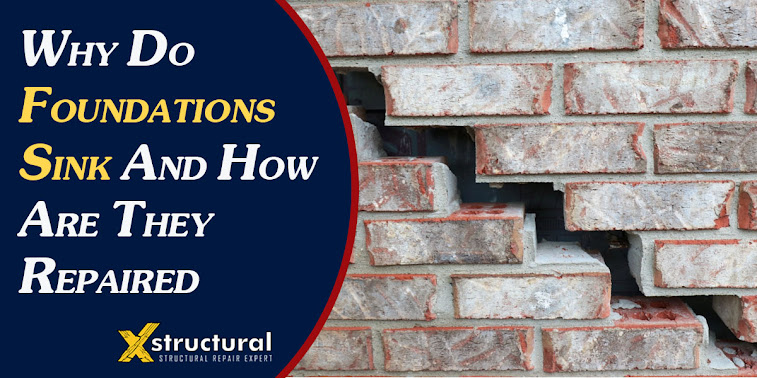
Foundations can sink due to a variety of factors such as poor soil conditions, changes in moisture content, and improper construction. When a foundation sinks , it can lead to structural damage, cracks, and other issues that can compromise the stability of a building. What Makes A Foundation Sink A foundation can sink due to various factors such as poor soil conditions, changes in moisture content, and improper construction techniques. Some common causes of foundation sinking are: Soil issues: If the soil beneath a foundation is unstable, it can cause the foundation to sink. This can happen if the soil is too soft, too wet, or if it is composed of materials that are susceptible to settling over time. Poor Drainage: When water is not drained properly away from a foundation, it can saturate the soil and cause the foundation to sink. This can happen if gutters are not installed or if the grading around the foundation is not sloped away from the building. Also read about, Replacing Your ...
Basement Beams Guide: How to Replace Them

Image
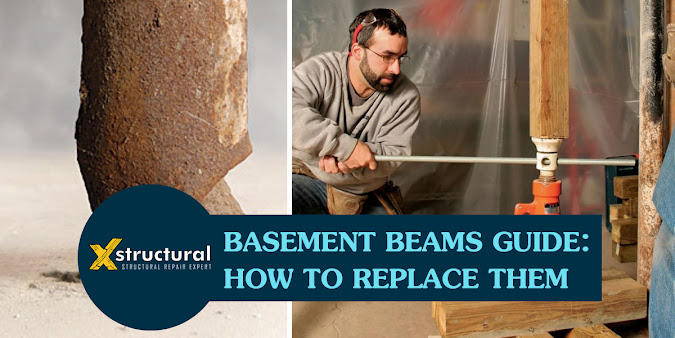
  What are Basement Beams? Basement beams are horizontal structural elements that support the weight of the building above the basement level and distribute the load evenly to the foundation walls. They are typically made of wood, steel, or engineered wood materials and are installed in a basement to provide additional support to the floor joists and structure above.  Basement beams  serve to reinforce the building and ensure its stability, especially in areas with heavy loads or spans, such as living rooms or kitchen areas. Basement beams are an important component of the structural support system for a building. Here’s a quick guide on basement beams: Purpose:  Basement beams provide support for the floor joists above and distribute the weight of the building evenly across the foundation. Types of Beams:  The most common types of basement beams include steel I-beams, engineered wood beams, and solid wood beams. Beam Sizing:  The size of the beam required ...

Why Are I Beams Using in Structural Steel Construction?

Image
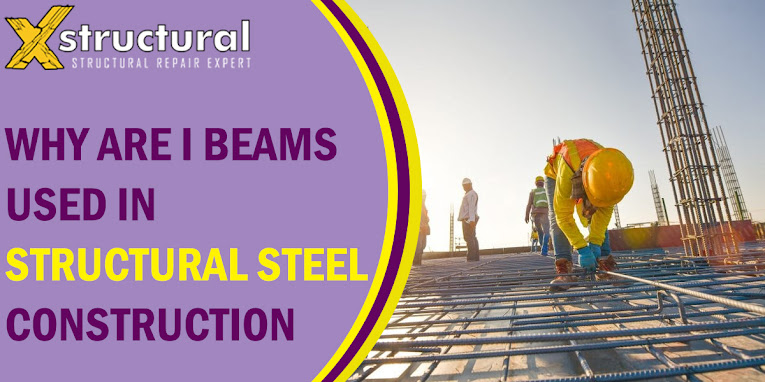
In structural steel construction , the standard I-beam is used to support all kinds of buildings, but is mostly used for residential construction. Its strength, flexibility, and rigidity make it a versatile material for structural steel. Read on to learn more about this important steel element. H-Beams H-beams are one of the most common types of beams in structural steel construction. They are a great choice for buildings that have a large load and need a strong foundation. They are also lighter than square beams of the same size. These characteristics allow H-beams to be used in large projects and have a better strength-to-weight ratio than their square counterparts. H-beams are often used as beams and columns in structural steel construction. They offer a high strength-to-weight ratio and are commonly used in residential construction projects. These beams are ideal for supporting the load of a roof, wall, or floor. In addition to this, they can be combined in various ways to create l...