Posts

Fixing Stress Cracks: A Guide to Effective Repair
Image
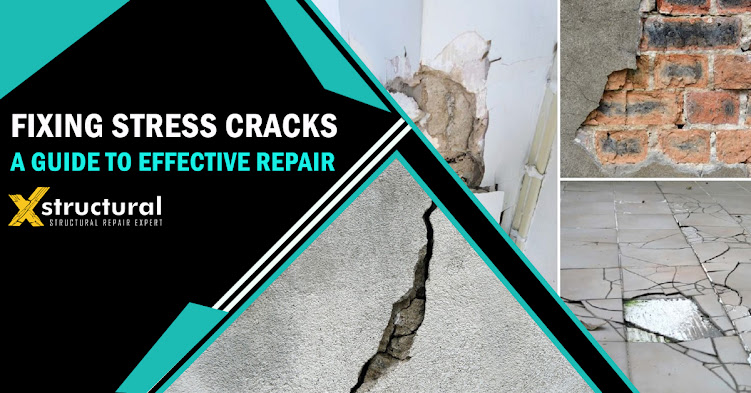
  Stress cracks can occur in a variety of materials, from concrete to wood, and can be caused by a range of factors including temperature changes, humidity, and physical stress. They can be unsightly and, if left unattended, can lead to more serious structural issues. However, repairing stress cracks is a relatively simple process that can be done by anyone with the right tools and knowledge. In this article, we will provide a step-by-step guide to repairing stress cracks effectively. 1. Understanding Stress Cracks Stress cracks are caused by forces that exceed the material's ability to handle them. These forces can come from a range of sources, including temperature changes, humidity, and physical stress. For example, concrete can crack due to expansion and contraction caused by temperature changes. Wood can crack due to changes in humidity or because of the weight it's supporting. Stress cracks can also be caused by settling, vibration, or other physical forces. 2. Identifyi...
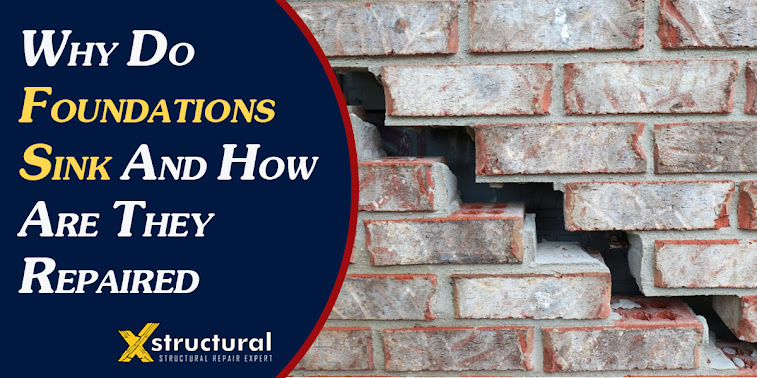
Why Do Foundations Sink and How Are They Repaired

Image
Foundations can sink due to a variety of factors such as poor soil conditions, changes in moisture content, and improper construction. When a foundation sinks , it can lead to structural damage, cracks, and other issues that can compromise the stability of a building. What Makes A Foundation Sink A foundation can sink due to various factors such as poor soil conditions, changes in moisture content, and improper construction techniques. Some common causes of foundation sinking are: Soil issues: If the soil beneath a foundation is unstable, it can cause the foundation to sink. This can happen if the soil is too soft, too wet, or if it is composed of materials that are susceptible to settling over time. Poor Drainage: When water is not drained properly away from a foundation, it can saturate the soil and cause the foundation to sink. This can happen if gutters are not installed or if the grading around the foundation is not sloped away from the building. Also read about, Replacing Your ...

What Are The Types of Termite Damage

Image
There are several types of termite damage, including structural damage to wooden beams, furniture, and flooring. Other signs of termite damage include sagging floors, hollow-sounding wood, and visible mud tubes. If you suspect termite damage, it's important to contact Xstructural.com , a professional termite control company , to assess the situation and provide effective treatment options.

The Benefits of Jacking and Leveling for Residential and Commercial Properties

Image
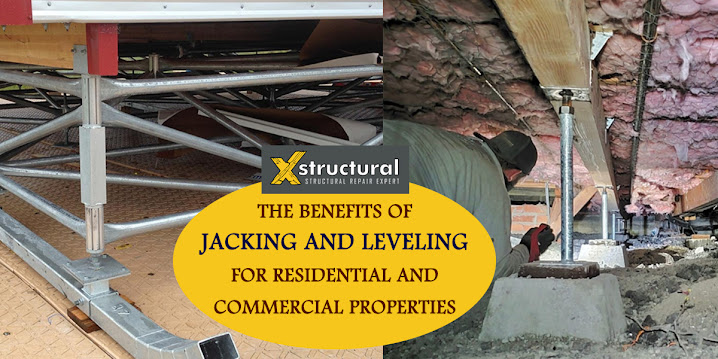
Jacking and leveling are important techniques for ensuring the structural stability of buildings and other structures. Here is a brief overview of each technique: Jacking: Jacking is the process of lifting a structure to a desired height using hydraulic jacks. This technique is typically used when the foundation of a building has settled or shifted, causing the structure to become uneven or unstable. Jacking can help to restore the building to its original level and prevent further damage. It is important to note that jacking should only be done by trained professionals who have experience in this technique, as it can be dangerous if not done properly. Leveling: Leveling is the process of adjusting the height of a building or structure to make it level. This technique is typically used when a building or structure is sloping or uneven, which can be caused by a variety of factors such as settling, shifting, or poor construction. Leveling can involve a variety of techniques, including...

What Are The Types of Termite Damage?

Image
  Termites may appear to be a minor issue until you are confronted with them. Termites are the most common problem for homeowners across the country, with over 40 species found in the country.  Termite damage replacement South Boston  repair can be expensive if the infestation is not identified and eliminated quickly. All of these termites cause property damage, but there is a distinction in the pattern of the damage. Professional termite exterminators can track the termite mound by following the damage, which leads to the identification of the termite species. Identifying the type of damage and the termites that are causing it can aid in the selection of an appropriate termite treatment method. Types of Termite Damage Termites consume anything containing cellulose, causing significant damage to properties, particularly those constructed primarily of wood. Leaving a termite infestation unidentified can have disastrous consequences for your property. Here are some examples...

Basement Beams Guide: How to Replace Them

Image
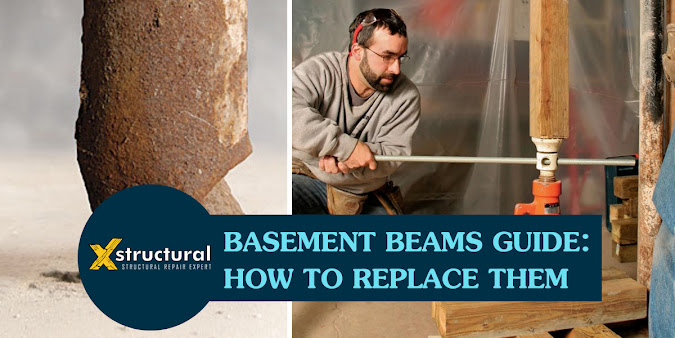
  What are Basement Beams? Basement beams are horizontal structural elements that support the weight of the building above the basement level and distribute the load evenly to the foundation walls. They are typically made of wood, steel, or engineered wood materials and are installed in a basement to provide additional support to the floor joists and structure above.  Basement beams  serve to reinforce the building and ensure its stability, especially in areas with heavy loads or spans, such as living rooms or kitchen areas. Basement beams are an important component of the structural support system for a building. Here’s a quick guide on basement beams: Purpose:  Basement beams provide support for the floor joists above and distribute the weight of the building evenly across the foundation. Types of Beams:  The most common types of basement beams include steel I-beams, engineered wood beams, and solid wood beams. Beam Sizing:  The size of the beam required ...

The Renewable Benefits of Choosing Structural Steel

Image
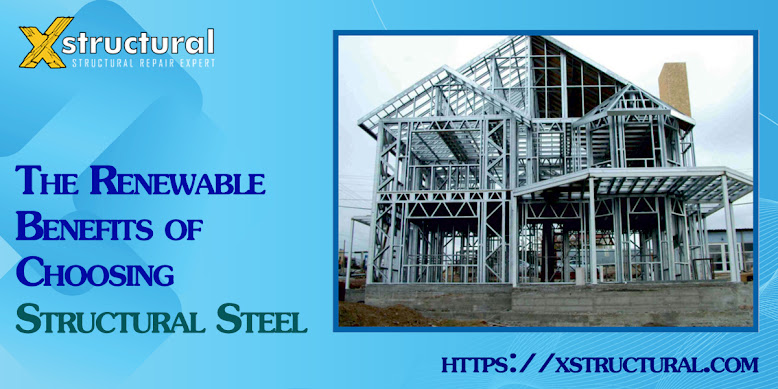
    A 2,000-square-foot home requires between 50 and 60 trees, which equates to about an acre of wooded area. When you compare that environmental impact to the use of  structural steel contractor Quincy , it's easy to see the advantages of steel. The same house can be constructed using the equivalent of six scrapped cars. While this is an easy way to visualize the benefits of structural steel, it is only the beginning. Steel is frequently used in residential and commercial building projects due to the push for sustainable, long-lasting construction materials.  Consider some of the following reasons: Commercial Steel is extremely durable and has the best strength-to-weight ratio of any building material. Steel can also help you save money on utilities, thanks to reflective roofing materials that can reduce heating and cooling costs by up to 40%. Infrastructure The use of structural steel in the construction of a bridge results in weight savings, which can reduce the o...